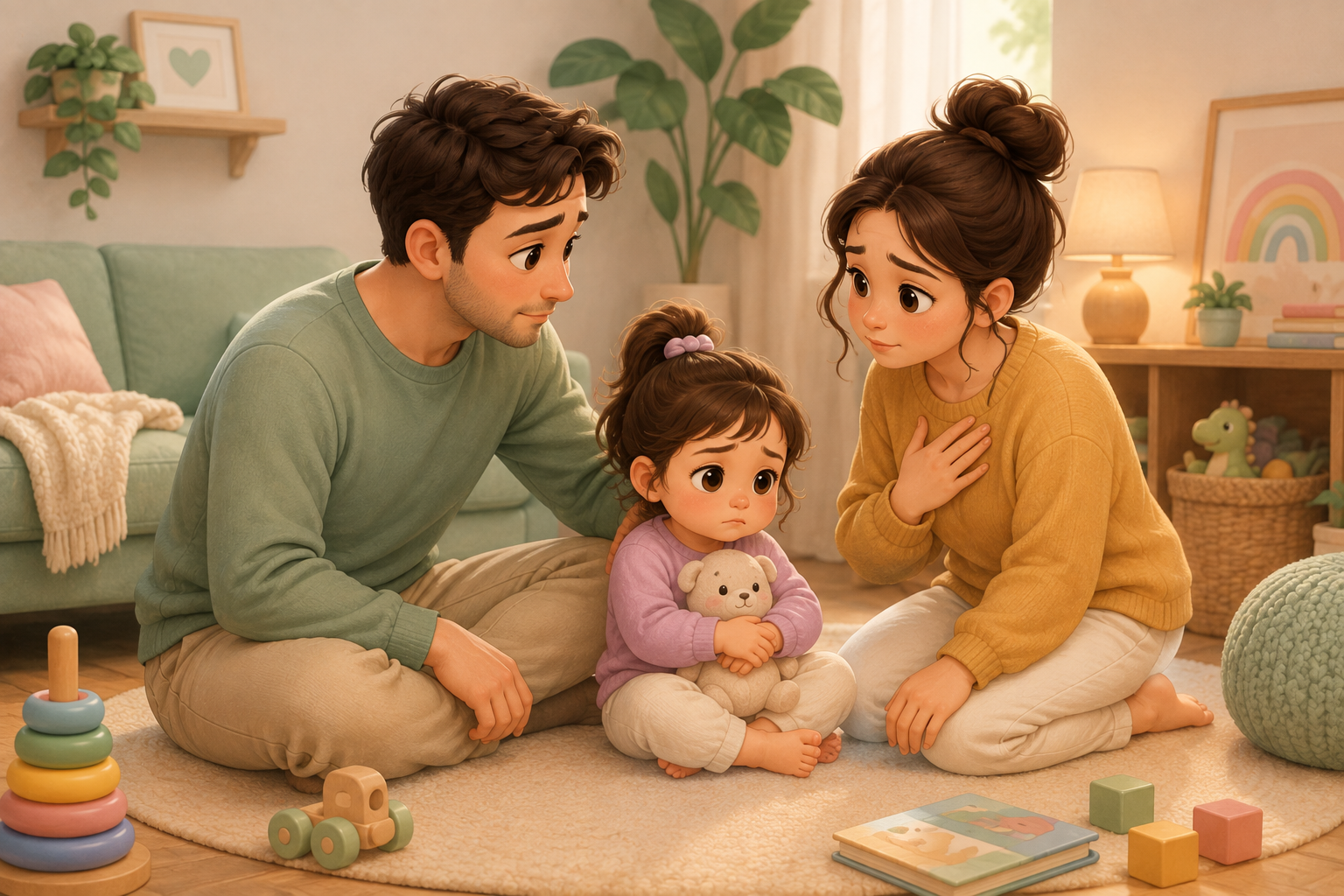
Every parent has moments they wish they could take back. A raised voice, an impatient response, or words spoken out of frustration can leave both parent and child upset.
Later, when things settle, many parents wonder what to do next. Should they apologize? Explain why they were angry? Give their child some space? Or simply move on?
The answer often lies in something called relationship repair. It means acknowledging what happened, taking responsibility, and helping a child feel safe and connected again.
Repair doesn't erase a difficult moment, but it gives parents an opportunity to show children how people can take responsibility and work toward rebuilding trust.
Start with a genuine apology
Children learn a great deal from how adults handle their own mistakes.
When a parent apologizes, they demonstrate that being older or having authority doesn't mean being above accountability.
A simple apology might sound like:
"I raised my voice earlier, and I'm sorry. I was frustrated, but I shouldn't have spoken to you that way."
It doesn't need to be long or dramatic. What matters is that the adult takes responsibility without making the child feel responsible for the parent's reaction.
Try to avoid apologies that include blame:
"I'm sorry I yelled, but you weren't listening."
That little word but can shift responsibility back onto the child.
A more helpful approach is to separate the two issues:
"I shouldn't have yelled. I'm sorry. We still need to talk about what happened, but I can do that calmly."
Apologizing for the reaction doesn't mean removing the boundary.
Give children room for their feelings
After an argument, a child may not immediately want a hug or be ready to talk.
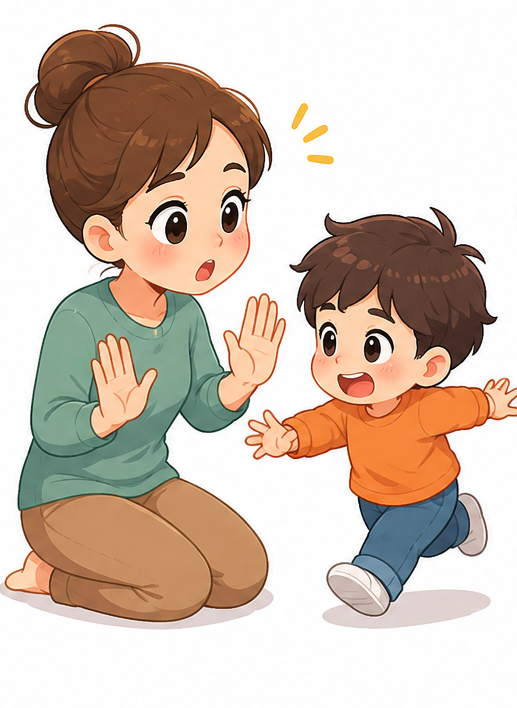
They might still be angry, withdrawn, or upset. Some children may even respond with, "Go away!"
Parents don't have to rush that moment.
Instead, they can say:
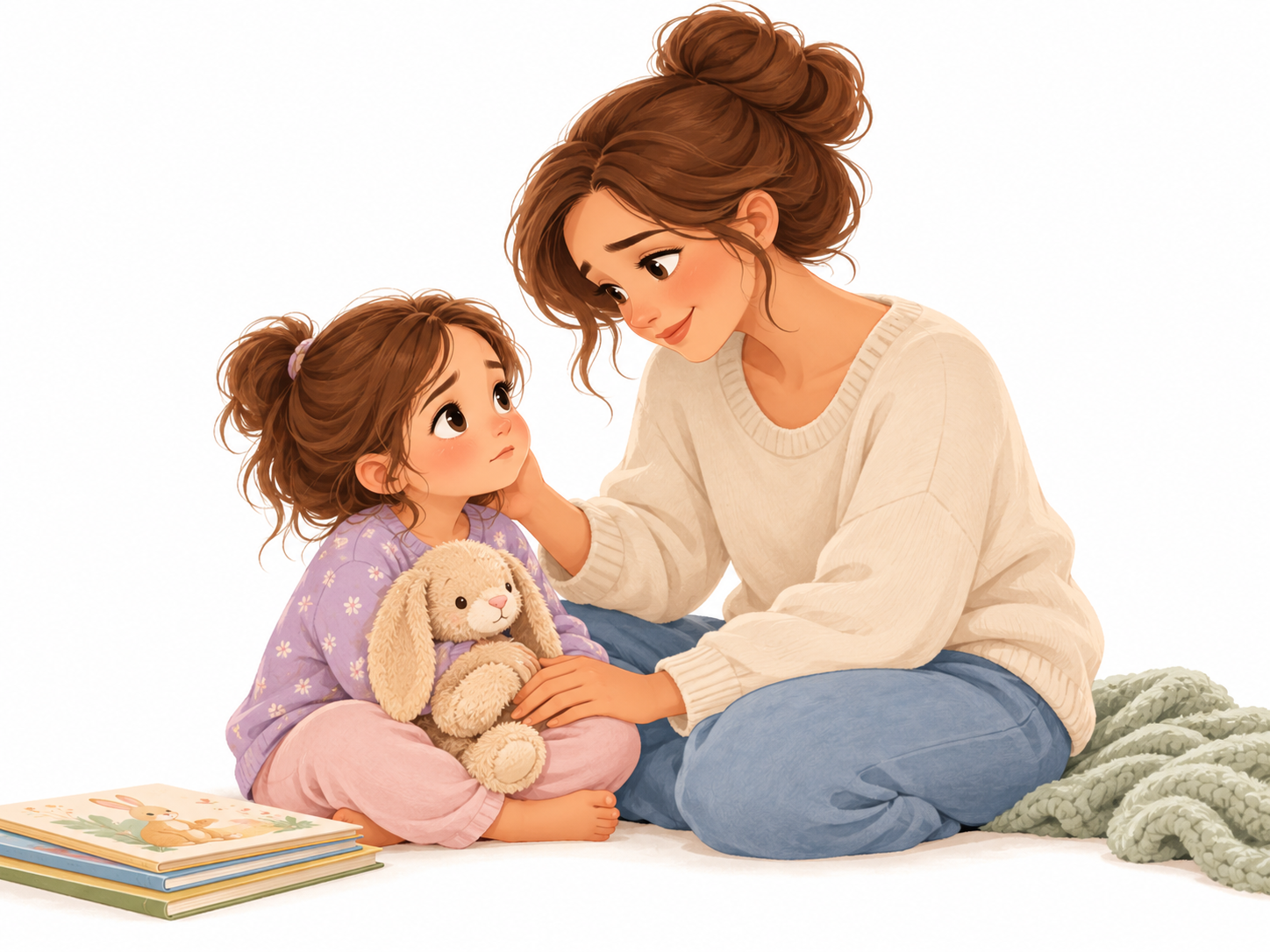
"I understand you're still upset. I'm here when you're ready."
Young children are still developing the skills needed to understand and manage strong emotions. They may need time, reassurance, or quiet company before reconnecting.
Avoid asking a child to immediately say "It's okay" or accept an apology. Forgiveness shouldn't become another expectation they have to meet.
Reconnection happens through small moments
Repair isn't always one big emotional conversation.
For a toddler, sitting together with a favorite book might help. A preschooler may want to talk about what happened. Another child might simply feel better returning to a familiar activity together.
Children build their sense of security through repeated experiences of responsive, caring relationships.
That is why reconnecting after conflict can involve ordinary moments: listening, playing, offering comfort, or showing the child that the relationship remains important.
An apology opens the door, but consistent warmth and changed behavior help rebuild trust.
Show what will be different next time
One of the most meaningful parts of an apology is helping children understand what adults will try to do differently.
Instead of stopping at "I'm sorry," a parent might add:
"Next time I feel that frustrated, I'm going to pause and take a breath before I speak."
This models an important emotional skill: recognizing a mistake and making a plan to handle a similar situation differently.
Of course, parents may not get it right every time.
But if yelling happens frequently, repeated apologies alone are not enough. It is important to look at the patterns behind those reactions, make practical changes, and seek additional support when needed.
The goal isn't to make children responsible for helping adults stay calm. That responsibility belongs to the adult.
Children Don't Need Perfect Parents
A healthy parent-child relationship doesn't require every interaction to be calm or every disagreement to end beautifully.
What children need is a relationship where they are treated with care, where mistakes are taken seriously, and where adults make an effort to do better.
When parents apologize sincerely, listen to their children's feelings, and work to change their reactions, they teach something that goes beyond parenting.
They demonstrate what accountability, respect, and healthy relationships can look like.
Repair isn't about pretending the difficult moment never happened. It's about showing children that even after conflict, their feelings matter and the relationship deserves care.